We are glad to share with you about the results of our work, company news, and give you timely developments and personnel appointment and removal conditions.
Global infrastructure development is driving a significant shift toward Chinese-made concrete moulds, with manufacturers like UNIK experiencing sustained growth in export demand across multiple regions.
For short-run concrete product projects, selecting the right mould type is a critical decision that affects both your upfront costs and project profitability. The choice between steel and plastic moulds involves evaluating production volume, budget constraints, and quality requirements. This guide provides a practical framework for making that decision.Understanding the Trade-offsPlastic Moulds: Low-Cost, Low-Volume SolutionsPlastic moulds for concrete products are manufactured from high-density polypropylene or similar industrial-grade materials. These are lightweight, affordable, and designed for shorter production runs.
A surge in government-led infrastructure projects across Southeast Asia is creating significant demand for high-quality brick machine moulds, with industry data pointing to sustained regional growth.
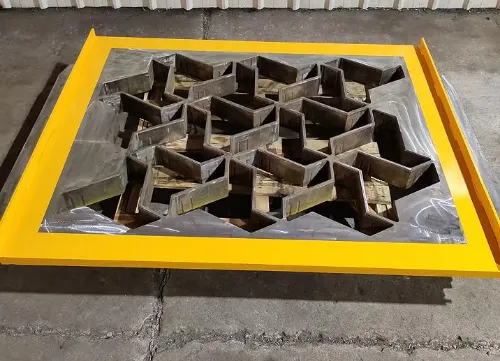
For concrete product manufacturers, curbstone moulds are the core assets of production. The condition of the mould edges directly determines the final product quality and production efficiency. In daily maintenance, two seemingly technical yet critical procedures are often overlooked: edge sharpening and demagnetization. Improper handling of these can become potential causes of product defects and production interruptions.
Quanzhou, China – March 2026 – Fujian Unik Mould Technology Co., Ltd. has successfully completed the loading and shipment of a comprehensive concrete equipment consignment destined for Kenya, marking a significant milestone in the company's strategic expansion into the African market.
For concrete block producers, the demolding stage is where productivity and product quality stand or fall. When concrete sticks, cracks, or surfaces are flawed during demolding, the costs in downtime, waste, and rejected product accumulate quickly. Understanding the root causes of these common issues—and knowing how to fix them—is essential for maintaining an efficient production line.
We use cookies to offer you a better browsing experience, analyze site traffic and personalize content. By using this site, you agree to our use of cookies. Privacy Policy