A surge in government-led infrastructure projects across Southeast Asia is creating significant demand for high-quality brick machine moulds, with industry data pointing to sustained regional growth.
The Southeast Asian block-making equipment market surpassed $1.42 billion in 2025, marking an 11.7% year-on-year increase. Growth is heavily concentrated in the Philippines, Indonesia, and Vietnam, which together account for approximately 68% of regional demand. The Philippines, in particular, saw equipment imports surge by 19.3% in 2025 as its infrastructure drive accelerated .
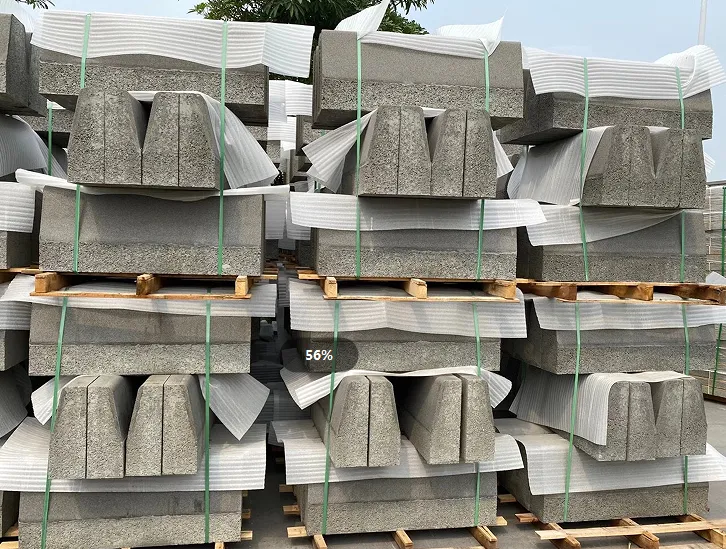
Behind these figures lies a clear driver: government investment. From Indonesia's new capital city project, Nusantara, to Vietnam's expanding expressway network and the Philippines' "Build, Build, Build" program, publicly funded works are placing unprecedented demand on building material supply chains. These projects require vast quantities of paving blocks, curbstones, hollow blocks, and interlocking pavers—all of which depend on reliable, high-precision moulds.
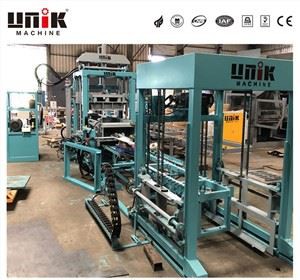
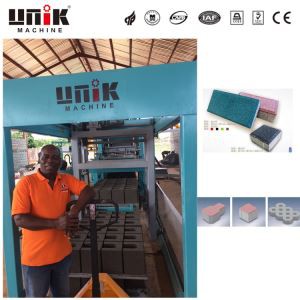
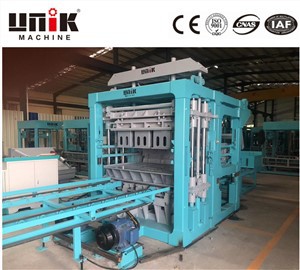
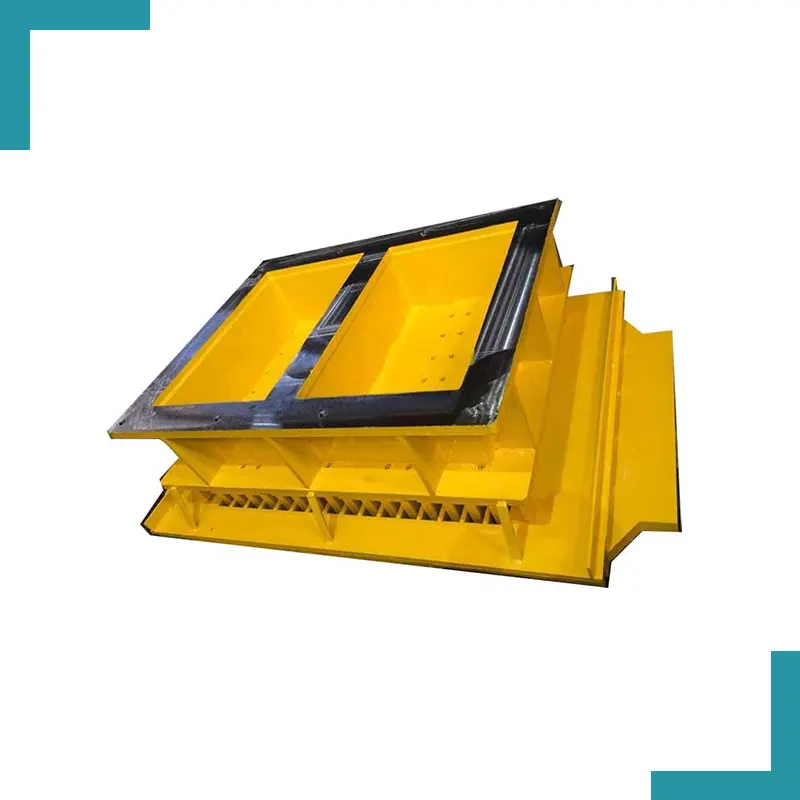
At the heart of every brick machine is the mould itself. A single block-making machine can produce thousands of units per day, and mould quality directly determines product consistency, strength, and surface finish. For infrastructure projects, where specifications are strict and volumes are massive, mould durability and precision are non-negotiable.
"The quick-change mould design means one machine can produce hollow blocks today, paving bricks tomorrow, and curbstones the next day," notes a technical overview from Fujian Unik mould Technology, a specialist manufacturer based in Quanzhou, China . This flexibility allows contractors to respond to shifting project requirements without investing in multiple dedicated machines.
Quick-change moulds typically take around half an hour to swap, enabling production lines to pivot between product types efficiently . For large infrastructure sites requiring multiple brick types—such as road pavers for walkways, hollow blocks for retaining walls, and solid blocks for structural use—this adaptability is a major advantage.
Moulds can be custom-manufactured to nearly any design specification. "Simply supply us with the exact dimensions and a sketch or photo of the product, and we will build a mould to suit it" . This capability is particularly relevant for Southeast Asian projects, where local building standards and aesthetic preferences often require unique shapes and sizes.
The scale of government-led construction across the region is projected to sustain demand well into the next decade. Regional block-making equipment sales are forecast to reach $2.28 billion by 2030, with a compound annual growth rate of approximately 8.9% .
Several factors are driving this expansion:
Urbanization momentum: Cities across Indonesia, Vietnam, and the Philippines are expanding rapidly, requiring new roads, housing, and public facilities.
Sponge city concepts: Stormwater management systems using permeable pavers are being adopted in flood-prone urban areas.
Rural development: Government programs extending infrastructure to previously underserved regions boost demand for locally produced building materials.
Reconstruction and upgrades: Aging road networks and drainage systems require replacement, often specifying concrete pavers and blocks for their durability and low maintenance costs .
Chinese equipment and mould manufacturers have captured a dominant 47% share of the Southeast Asian market, exporting approximately 28,000 units of block-making machinery to the region in 2025—a staggering 210% increase from 2020 . This growth reflects not only competitive pricing but also improved technology and after-sales support.
Industry analysts note that Chinese manufacturers have reduced equipment failure rates to below 3.2% through optimized hydraulic systems and vibration frequency control. The average unit price has dropped to around $41,000, significantly undercutting Japanese and Korean competitors .
For mould suppliers specifically, the advantage lies in rapid customization and responsive supply chains. With infrastructure projects often operating on tight deadlines, the ability to deliver replacement moulds or custom designs quickly is a decisive factor.
Government policies across the region are increasingly mandating environmentally responsible production. Indonesia introduced a carbon footprint labeling system for block products starting January 2026, requiring equipment to achieve 15% lower energy consumption than baseline. Vietnam now mandates dust recovery systems with at least 99.2% filtration efficiency on all block-forming equipment. Thailand and Malaysia have imposed 5-8% green tariffs on imported equipment while offering tax incentives for certified sustainable machinery .
These regulations are pushing contractors and block producers to invest in modern equipment and higher-quality moulds that enable cleaner, more efficient production. Moulds designed for minimal waste, consistent density, and longer service life are becoming essential for compliance and cost control.
The infrastructure-led demand for brick machine moulds in Southeast Asia shows no signs of slowing. With the region's total construction area for new buildings reaching 680 million square meters in 2025—and equipment replacement cycles shortening to 5.2 years—suppliers are positioned for sustained growth .
For manufacturers like Fujian Unik mould Technology, the strategic location in Quanzhou—historically a maritime Silk Road hub—provides logistical advantages for serving Southeast Asian markets . The combination of proximity, manufacturing expertise, and adaptability in mould design appears well-suited to meet the region's evolving infrastructure needs.
As one industry expert put it: "The best decision you can make today is to start a conversation with a manufacturer that understands your regional challenges" . For Southeast Asian contractors and block producers, that conversation increasingly involves sourcing moulds that deliver precision, durability, and flexibility—the essential ingredients for turning government infrastructure budgets into lasting roads, buildings, and public spaces.