News

Hollow Concrete Block Moulds China Factory

2026-07-06 0 Leave me a message

Understanding the Production of Lightweight, High-Strength Masonry Units

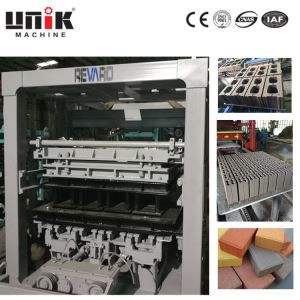
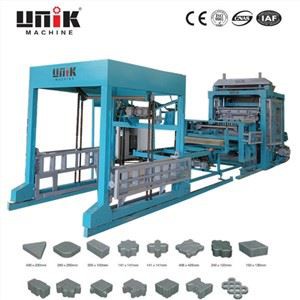
In modern construction, hollow concrete blocks are widely used for walls, foundations, and load-bearing structures due to their reduced weight, thermal insulation, and material efficiency. The quality of these blocks depends directly on the precision and durability of the moulds that shape them. Fujian Unik Mould Technology Co., Ltd., based in Quanzhou, China, has been designing and manufacturing such tooling since 2010.

What Is a Hollow Concrete Block Mould?

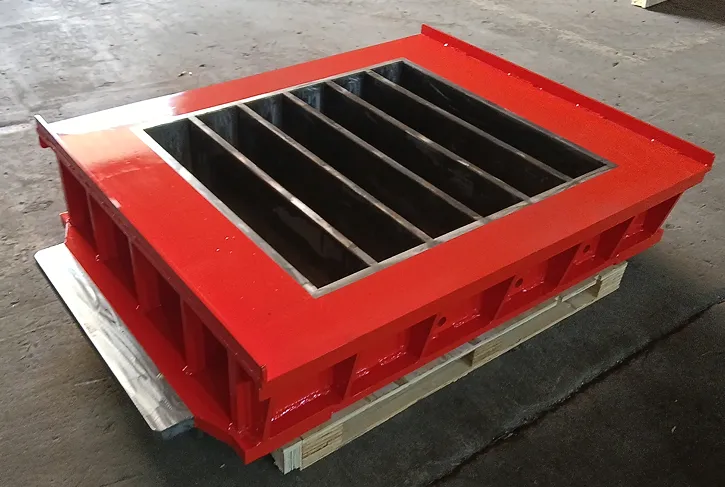
A hollow concrete block mould is a steel tool used in block-making machines to form concrete into blocks with one or more open cores (voids). These voids typically occupy 25–50% of the gross cross-sectional area, reducing weight and improving insulation while maintaining structural integrity. The mould consists of a base plate, cavity liners, and core pins that create the hollow sections.

Key Design Features of Quality Hollow Block Moulds

Steel grade and heat treatment

The working surfaces of a hollow block mould must resist abrasion from concrete. Most Chinese factories use Q235 or 45# carbon steel for the base plate, and Cr12Mov or equivalent tool steel for cavity liners. Heat treatment to HRC 50–55 on contact surfaces extends mould life significantly.

Core pin configuration

Hollow blocks can have two, three, or more voids. Core pins must be precisely positioned to ensure uniform wall thickness. Pins that shift during vibration produce blocks with weak spots or uneven weight distribution.

Taper for easy stripping

A draft angle of 1–2 degrees on cavity walls helps the cured block release without cracking or surface damage. Moulds without sufficient taper increase downtime and reject rates.

Manufacturing Process of Hollow Block Moulds in a Chinese Factory

A typical production cycle for a custom hollow block mould involves these steps:

Design and engineering – The factory receives a block drawing or sample. CAD models are created, specifying cavity layout, core pin positions, and mounting bolt holes.

Steel cutting and machining – Steel plates are cut to size, then milled and ground to achieve flatness within 0.15mm. Cavities are CNC-machined to ensure repeatability.

Heat treatment – Cavity liners and core pins are hardened to increase wear resistance.

Assembly and welding – Components are assembled onto the base plate. Welding must be precise to avoid distortion.

Quality inspection – Each cavity is checked for dimensions, surface finish, and core pin alignment. A dry-assembly test confirms that all parts fit correctly.

Anti-rust treatment – The finished mould is coated with rust-proof oil and packed with VCI film for sea shipment.

Selecting a Hollow Concrete Block Mould Supplier in China

When evaluating Chinese mould factories, consider the following aspects:

Evaluation criterion

What to look for

Experience

Years in business and number of moulds exported

Steel traceability

Mill certificates proving grade and origin of steel

CNC capability

In-house machining ensures tighter tolerances

Testing procedure

Dry-assembly and sample casting before shipment

Rust prevention

Documented process for sea freight protection

After-sales support

Willingness to repair or re-machine worn moulds

Common Applications of Hollow Concrete Blocks

Load-bearing walls in residential and commercial buildings

Partition walls in framed structures

Retaining walls and garden landscaping

Acoustic barriers along highways

Manholes and utility chambers

Advantages of Sourcing from a Dedicated Mould Factory

A factory that specializes in moulds—rather than a general machine shop—offers several benefits:

Consistent cavity dimensions across all cavities, block after block

Faster lead times because mould production is the core business

Better advice on steel selection based on your concrete mix and production volume

Customization options such as logos, texturing, or special core shapes

Maintenance Tips for Hollow Concrete Block Moulds

To maximize mould life and block quality:

Clean after each shift – Remove concrete residue from cavities and core pins

Oil moving parts – Apply release agent or light oil to pins and hinges

Inspect for wear – Check cavity edges and pin tips weekly for rounding or chipping

Store properly – Keep moulds off the ground and coated with oil when not in use

Conclusion

Hollow concrete block moulds are precision tools that directly affect block strength, weight consistency, and production efficiency. A competent Chinese factory such as Unik Mould (established 2010, Quanzhou) combines engineering experience, steel traceability, and rigorous testing to deliver moulds that perform reliably under daily production conditions. By understanding the design features and manufacturing steps described above, buyers can make more informed decisions when sourcing hollow block tooling from China.

 Concrete Block MouldsConcrete Block MouldsConcrete Block MouldsConcrete Block Moulds

Related News
Leave me a message
X
We use cookies to offer you a better browsing experience, analyze site traffic and personalize content. By using this site, you agree to our use of cookies.Privacy Policy
RejectAccept