Summary: Block molds are essential tools in modern construction, offering precision, durability, and consistent output for concrete blocks. This article explores how block molds work, their advantages, types, selection tips, and answers common questions, providing a detailed guide for contractors and manufacturers.
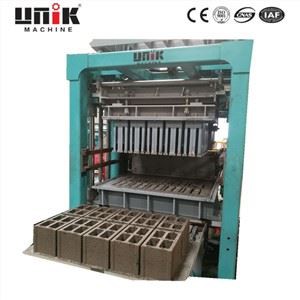
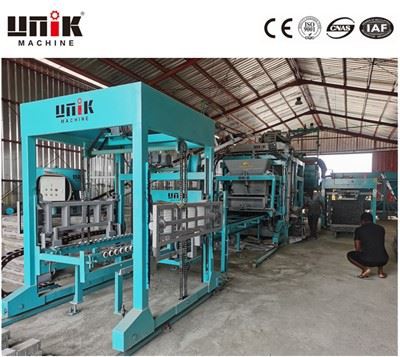
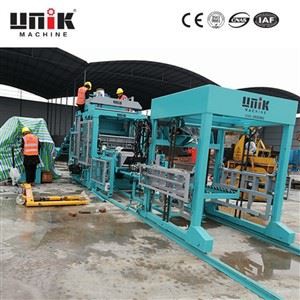
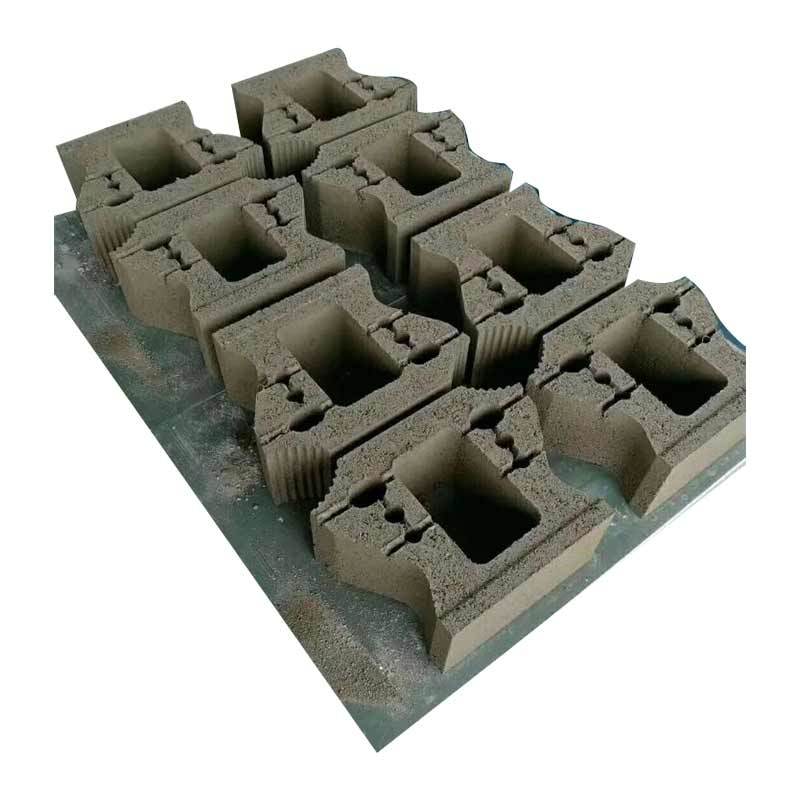
Block molds are specialized equipment used in the production of concrete blocks for construction projects. They provide precise shaping, uniform size, and high-quality finishes, ensuring that every block meets industry standards. By improving the consistency and efficiency of block production, they have become a crucial component in construction and brick-making industries.
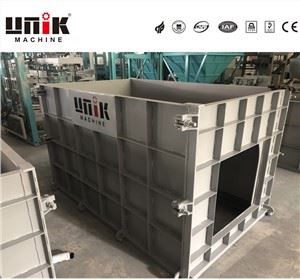
Modern block molds are typically made from high-strength steel or alloy materials, resistant to wear and corrosion, enabling long service life even under demanding production conditions. Their design ensures uniform compaction of concrete, reducing defects and enhancing structural integrity.
Block molds come in various forms depending on the type of blocks required. The main types include:
| Type | Material | Application | Durability |
|---|---|---|---|
| Hollow Block Mold | Steel | Walls, partitions | High |
| Solid Block Mold | Steel Alloy | Foundations, structural walls | Very High |
| Cement Block Mold | High-strength Steel | Commercial construction | High |
| Custom Block Mold | Steel/Alloy | Specialized blocks | Moderate to High |
Block molds offer multiple benefits for manufacturers and construction contractors:
Selecting the right block mold involves understanding project requirements and production capacity. Key considerations include:
Proper maintenance of block molds ensures longevity and consistent performance:
Q1: How long does a block mold typically last?
A1: With proper maintenance, high-quality steel block molds can last 5–10 years or more, depending on production frequency and concrete type used.
Q2: Can a single block mold produce different block sizes?
A2: Some molds are adjustable, allowing flexibility in block dimensions, while standard molds are fixed for consistent sizing.
Q3: What is the best material for block molds?
A3: High-strength steel and alloy materials are preferred due to their wear resistance, durability, and ability to produce uniform blocks.
Q4: How can block molds improve efficiency?
A4: By ensuring uniform block shapes, reducing defects, and enabling faster production cycles, block molds significantly increase manufacturing efficiency.
Block molds are indispensable in modern block production, offering efficiency, consistency, and long-term durability. Choosing the right mold and maintaining it properly ensures high-quality output and cost savings for construction projects. Fujian Unik Machinery Technology Co.,Ltd provides a wide range of durable and precision-engineered block molds suitable for various applications.
Contact us today to explore our complete range of block molds and enhance your construction efficiency