Steam curing uses controlled heat and moisture to accelerate hydration. UNIK‘s delivered systems, including the 30-pocket finger car curing system for a Sri Lanka project (2025), achieve target strength within 10 hours.
A brick concrete mould represents a significant capital investment. Replacing a mould prematurely cuts into profit margins. Operating a worn mould beyond its useful life produces out-of-spec blocks, generates waste, and damages the block machine. The solution is systematic maintenance that extends mould life without compromising block quality.
Against the backdrop of modern municipal construction and prefabricated assembly methods, the demand for precast concrete components has surged dramatically. From blast barriers and drainage U-channels to box culverts and Lego-style blocks, precast elements are highly valued for their construction efficiency and consistent quality. As a critical link in concrete product machinery, the design precision and durability of precast concrete moulds directly determine both the cost and the quality of the final product.
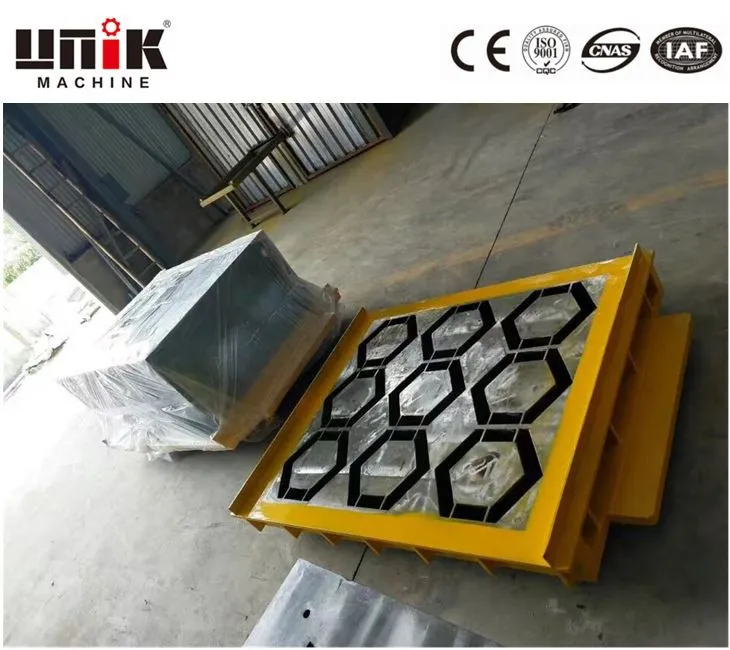
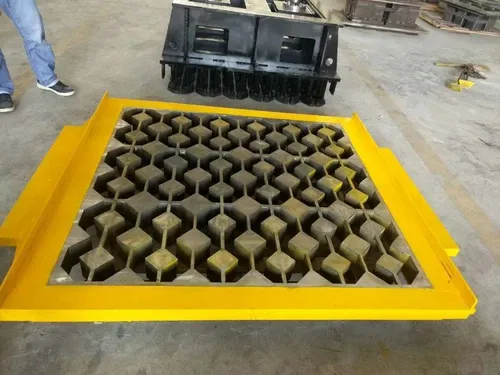
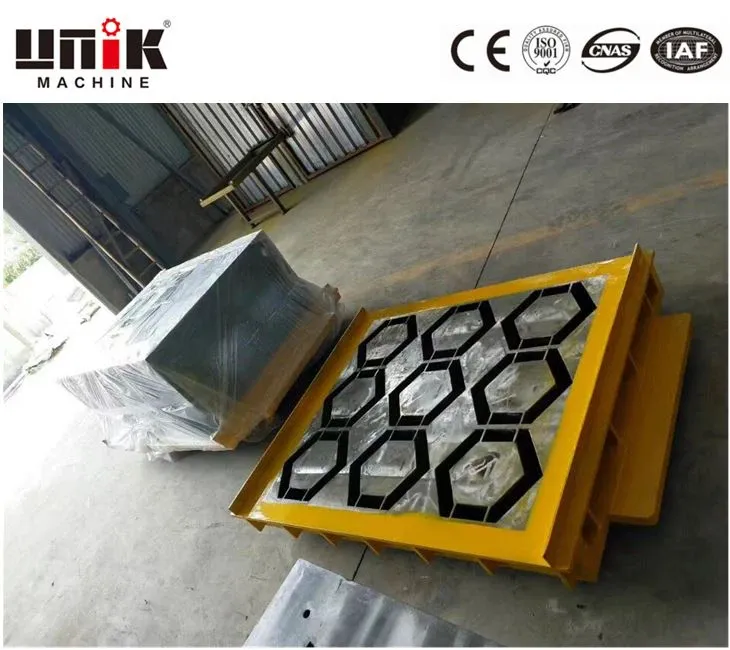
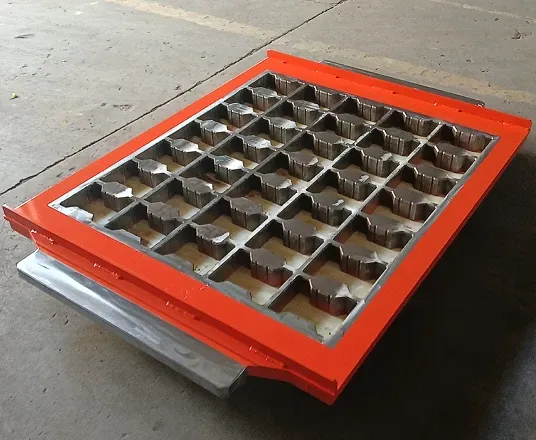
The mould directly shapes every block. Quality moulds use Cr12MoV or 9CrSi alloy tool steel with carburizing heat treatment. Surface hardness should reach HRC58-62 for wear resistance. Core hardness should stay at HRC35-40 for vibration absorption. Without proper heat treatment, moulds crack prematurely or wear unevenly. Request material certificates and hardness test reports from your supplier.
Bamboo wood pallets have become a popular choice in logistics and transportation industries due to their sustainability, strength, and cost-effectiveness. This blog will explore the advantages of bamboo pallets, their environmental impact, and why companies like Unik are focusing on this eco-friendly option. We will also provide insight into the different types of bamboo pallets, their uses, and frequently asked questions about this green solution.
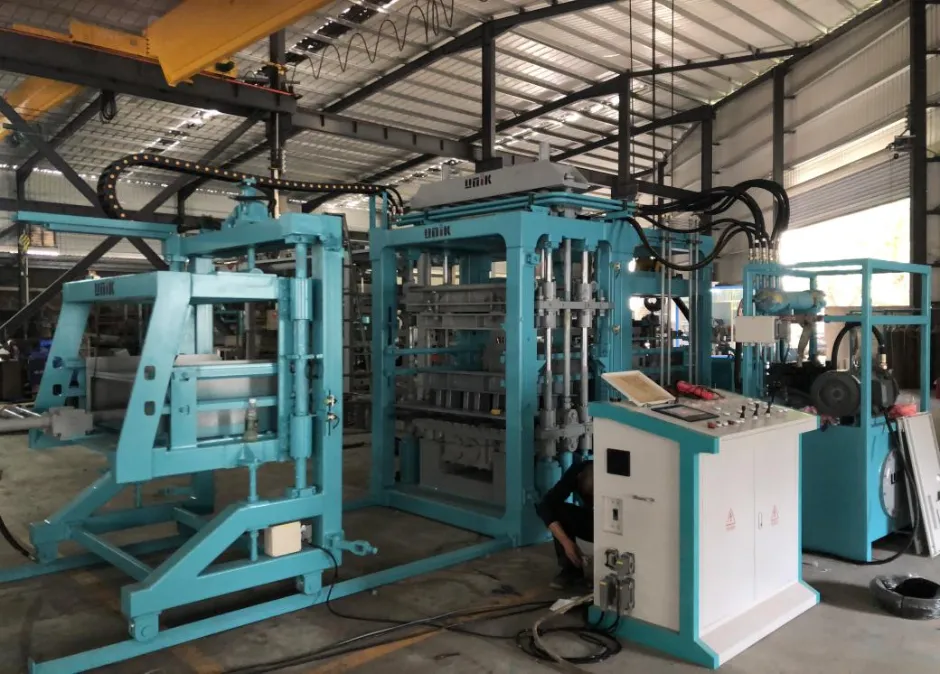
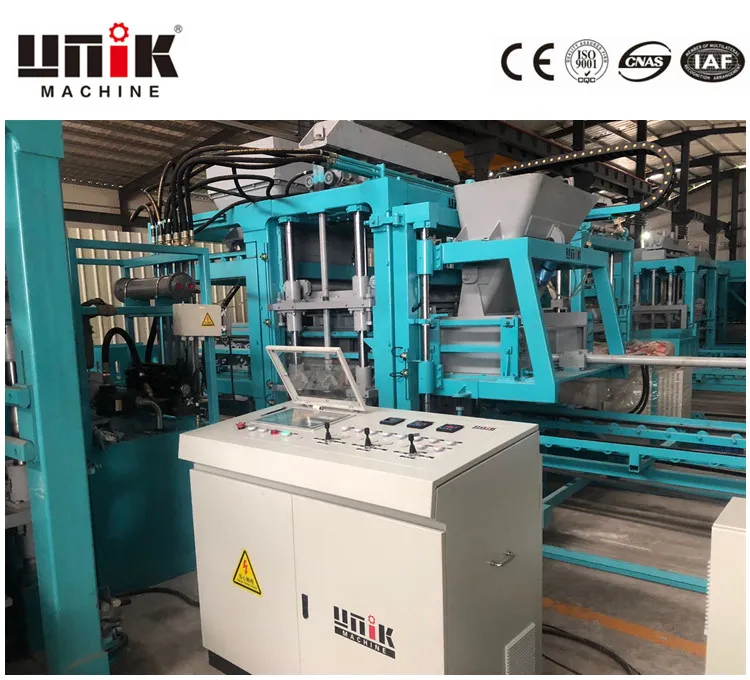
In today’s rapidly developing construction industry, block machines serve as the core equipment for producing concrete blocks, cement bricks, and pavers. They directly impact project schedules, product quality, and company profitability. For global buyers, choosing a cost-effective block machine that suits their specific needs not only reduces production costs but also enhances market competitiveness. However, with the wide variety of equipment available on the market, many buyers fall into the trap of “focusing only on price and ignoring core requirements,” often resulting in idle machines, frequent maintenance, and underperforming production capacity.
We use cookies to offer you a better browsing experience, analyze site traffic and personalize content. By using this site, you agree to our use of cookies.Privacy Policy