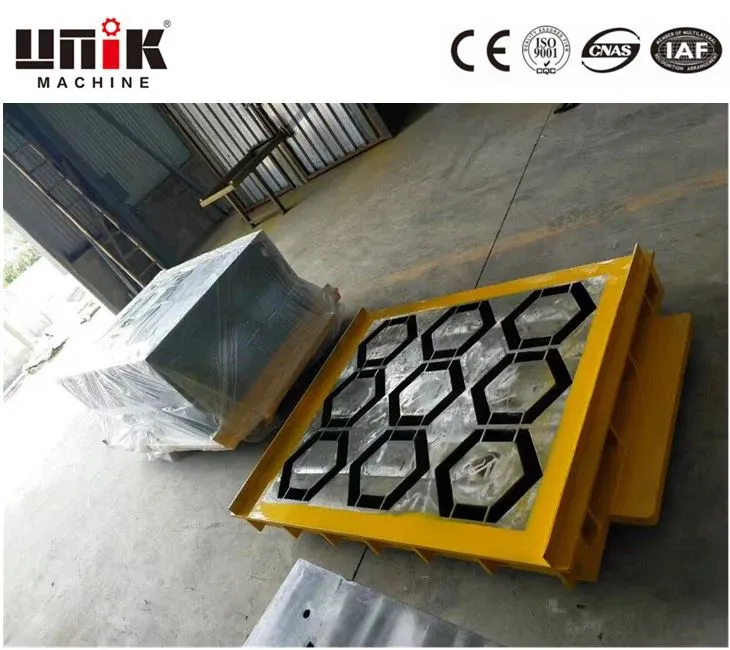
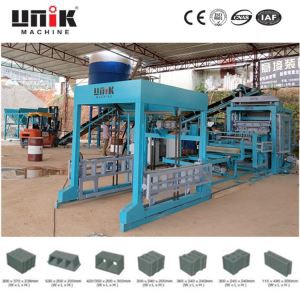
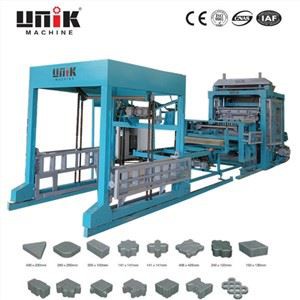
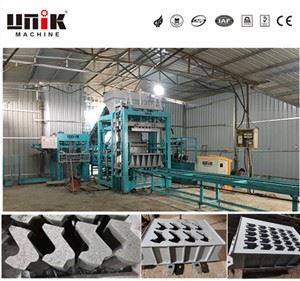
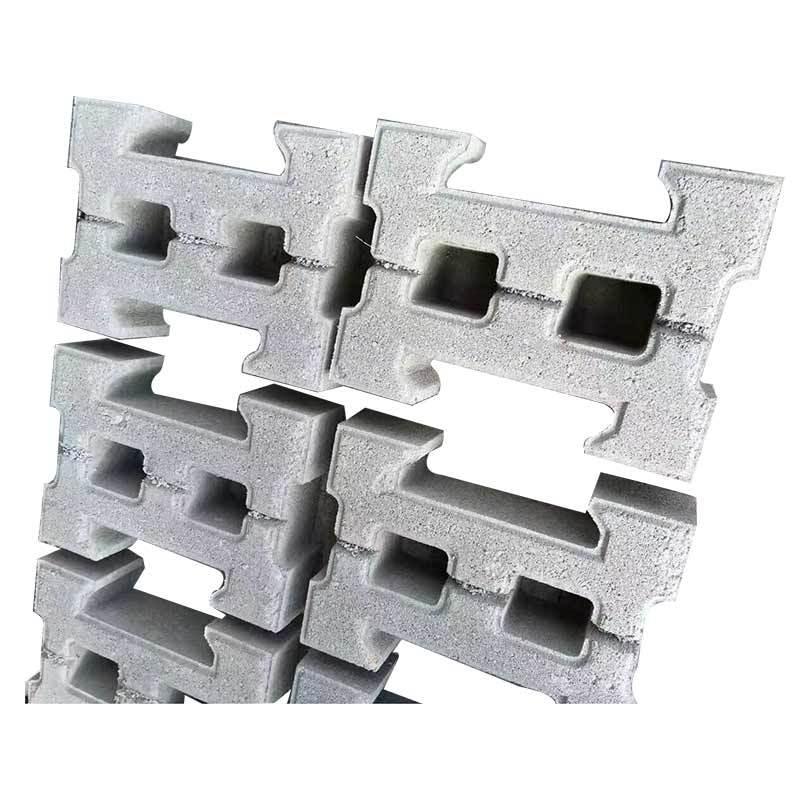
1. Why Hexagonal Pavers and What to Look For – Hexagonal pavers distribute loads more evenly than rectangular blocks and create distinctive patterns for landscape and permeable pavement projects. Choosing the right mould requires attention to steel grade, corner radius, dimensional tolerance, and machine compatibility. UNIK has manufactured hexagonal paver moulds since 2008, with over 15 years of export experience to 28 countries.
2. Critical Technical Specifications – Steel grade and heat treatment are the most critical factors. Hexagonal moulds have thinner corner sections that experience concentrated wear. Look for Cr12MoV or 9CrSi alloy tool steel with carburizing heat treatment (HRC59-62 surface, HRC35-40 core). Avoid basic 40Cr steel with simple quenching — these crack at 20,000-30,000 cycles. Also verify corner radius (3-5mm prevents stress cracks), dimensional tolerance (±0.3mm across all six sides), and surface finish (Ra 1.6 or better for clean release).
3. Sizes and Application Priorities – Common sizes include 150mm (garden paths), 200mm (driveways), 250mm (parking areas), and 300mm (industrial paving). For residential projects, prioritize appearance and smooth finish. For commercial or industrial applications, focus on load capacity, durability, and corner reinforcement. Multi-cavity moulds (4, 6, or 9 cavities) lower cost per paver for high-volume production but require precise manufacturing to maintain tolerance across all cavities.
4. Questions to Ask and How to Order – Before ordering, ask your supplier: steel grade and heat treatment details, dimensional tolerance, corner radius, surface finish (Ra value), and whether they verify compatibility with your machine brand. UNIK provides drawings within 48 hours and delivers 20-25 days after approval. For a quotation, contact sales@unikmould.com or visit www.unikmould.com.