News

Vibration Brick Making Machine: Smarter Vibration Control for Higher Density Concrete Output

2026-04-27 0 Leave me a message

When choosing a vibration brick making machine, the focus is no longer solely on output per pallet. For many overseas buyers, a bigger concern is whether a single machine can produce paving bricks, solid bricks, and decorative concrete products while maintaining consistent density, surface quality, and dimensional accuracy — all while controlling energy consumption and operating costs.

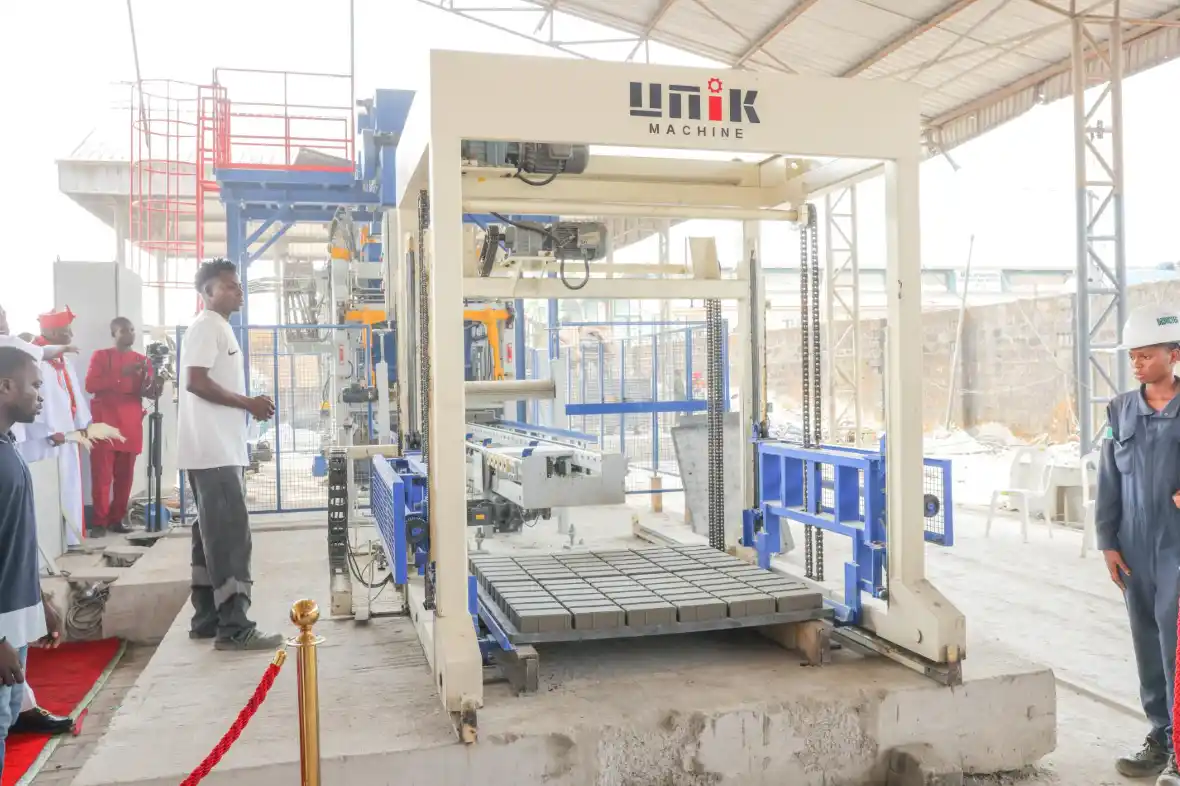
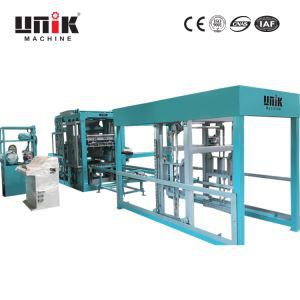
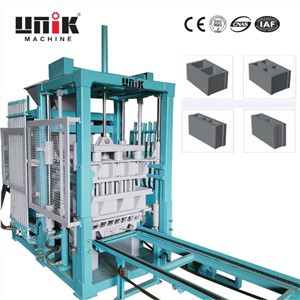
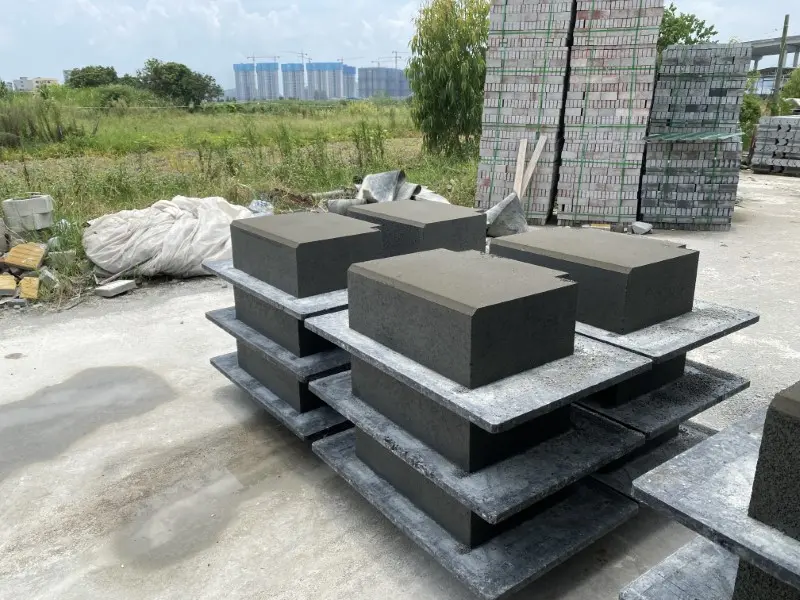
Vibration Brick Making Machine

That is precisely why vibration technology deserves more attention today. In concrete production, controlled vibration helps improve mold filling, release trapped air, and support more consistent density before pressing begins. UNIK strengthens the value of its brick making machines by using controlled vibration to achieve faster, quieter, and more uniform material distribution before high-pressure forming.

Pain Point: Poor Vibration Control Undermines Product Consistency

Many concrete plants achieve acceptable output. But far fewer maintain the same quality level cycle after cycle.

This gap often starts during material distribution and pre-compaction. If the material is not spread evenly into the mold, problems become more likely:

  • Uneven brick weight
  • Local density variations
  • Surface defects
  • Insufficient edge strength after demolding
  • Higher scrap and rework rates

For overseas procurement teams, these are not minor technical details. They affect saleable yield, customer acceptance, and profit margins per batch. This is especially important for paving bricks and landscape products, where surface finish and internal density directly influence commercial value.

Industry guidelines for interlocking concrete pavers continue to emphasize the importance of density and compaction for durable finished installations. For example, the Masonry & Hardscapes Association specifies high compaction targets for paving structures, reflecting the close relationship between density control and long-term performance.


Why Vibration Matters More in Modern Brick Production

In modern concrete block plants, vibration is not just about shaking material into place. Good vibration control helps the machine accomplish four important tasks at once:

  • Move material more evenly into the mold cavities
  • Reduce voids before the main pressing stage
  • Improve consistency across the entire mold area
  • Support cleaner surfaces by reducing process instability

If vibration is too weak, filling is incomplete and density may be uneven. If vibration is too strong or poorly controlled, segregation, noise, wear, and surface inconsistencies become more likely. So buyers are not just looking for "more vibration" — they are looking for better-controlled vibration.

This trend also appears in broader machinery developments. Major equipment suppliers in the industry, such as Masa, have highlighted amplitude-controlled vibration and smart factory controls to improve plant availability, efficiency, wear behavior, and quality monitoring in concrete block and paver production. This reflects a broader market direction: vibration must be managed as a precision function, not treated as a crude mechanical action.

How UNIK Uses Vibration to Improve Distribution Quality

This is where UNIK brick making machines become commercially attractive. Rather than positioning the machine solely around vibration, UNIK looks at how vibration works together with distribution precision and static pressing.

Its micro-vibration distribution system, combined with a rotating material-spreading blade structure, is designed to improve how material enters and spreads across the mold. This matters because the success of the final pressing stage depends heavily on what happens before pressing is applied.

The main advantages of this approach are practical:


  • Faster, more even material distribution
  • Better mold filling balance across the entire cavity
  • Lower noise than many traditional distribution methods
  • Better preparation for high-density static compaction


For buyers, this means a more stable production foundation. Instead of relying solely on high hydraulic pressure to correct early process inconsistencies, the UNIK brick making machine focuses on improving material distribution early in the cycle. This is a smarter manufacturing logic, especially for high-end paving bricks, solid bricks, and dry-cast PC terrazzo products, where density uniformity directly affects finished quality.

Vibration Works Even Better with a Dual-Motor Distribution System

Another key point is that vibration only delivers its best results when combined with precise material timing. UNIK supports this with a dual-motor distribution system that independently controls front and rear distribution rhythms.

This combination brings clear process advantages to the machine:


  1. Dual-motor timing helps control how material is spread into the mold
  2. Micro-vibration helps settle and homogenize the material before pressing
  3. Static pressing then acts on a more balanced material bed


For overseas buyers, this matters because it reduces one of the biggest risks in concrete production: applying high force over unstable filling patterns. High pressure does not always correct poor distribution. Controlled vibration helps prevent the problem earlier, which is often more valuable than adding pressure later.


Why This Helps Produce Higher-Value Products

The UNIK brick making machine is positioned not just for ordinary output. UNIK targets the production of:

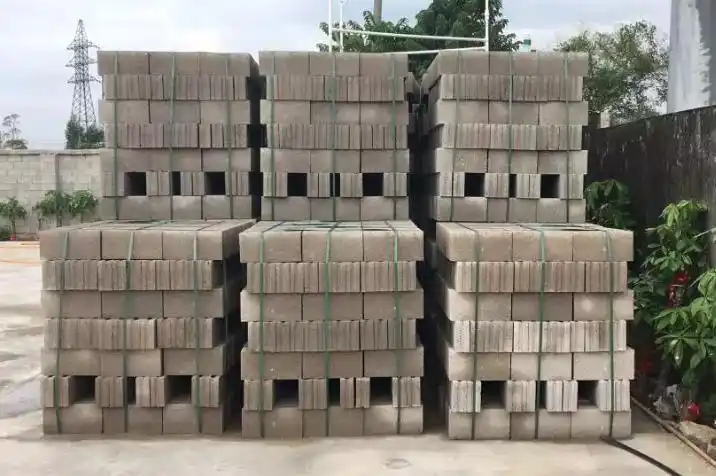
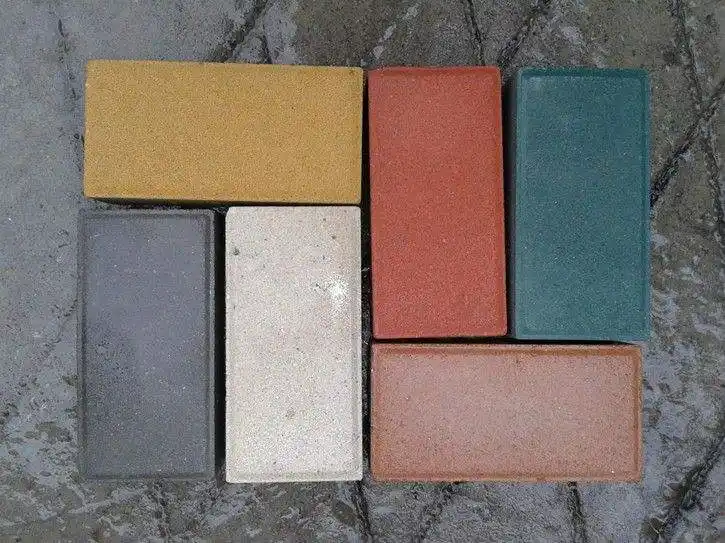
High-density paving bricks

Solid bricks

Slope protection bricks

Stone-like bricks

Dry-cast PC terrazzo tiles

These products require tighter process control than common hollow blocks. Buyers in the high-end paving and architectural concrete space typically do not compare machines only by output per hour. They ask whether the machine can support:


  • Consistent density
  • Better surface finish
  • More uniform product weight
  • Lower defect rates
  • More reliable long-term profitability


This is why the vibration system is so critical. Controlled distribution vibration is one of the process tools that helps high-end products move from occasional production to repeatable production.

UNIK's Technology Aligns with Market Direction

The industry is moving toward more efficient, smarter, and quality-focused manufacturing. Equipment suppliers are increasing investment in control systems, online quality monitoring, energy management, and process stability because manufacturers need better output, not just more output. Masa's recent strong emphasis on smart factory controls and optical quality inspection shows that the market is strongly shifting toward integrated process optimization.

The UNIK brick making machine aligns with this direction in a practical way. Its vibration-related advantages are not isolated features. They are part of a broader production logic that includes:


  1. Micro-vibration for more even distribution
  2. Dual-motor control for balanced spreading
  3. Servo-hydraulic efficiency to reduce energy consumption
  4. High-pressure forming for stronger compaction


This makes the machine attractive to plants that want to improve both product quality and cost efficiency.

Conclusion

For modern buyers, the true value of a vibration brick making machine is not simply that it vibrates. It is that the vibration is controlled well enough to improve filling, consistency, density, and finished quality.

That is why the UNIK brick making machine stands out. Its micro-vibration distribution philosophy helps solve a real production pain point: unstable material distribution before compaction. When this advantage is combined with dual-motor control, servo efficiency, and powerful static pressing, it creates a more competitive platform for paving bricks, solid bricks, and higher-value concrete products.

In today's market, this is a much more compelling reason to buy than simply talking about production capacity.


Related News
Leave me a message
X
We use cookies to offer you a better browsing experience, analyze site traffic and personalize content. By using this site, you agree to our use of cookies. Privacy Policy
Reject Accept