News

​Key Factors Affecting Quality in Hollow Block Moulding Production

2026-04-22 0 Leave me a message

1. Mould Steel and Heat Treatment

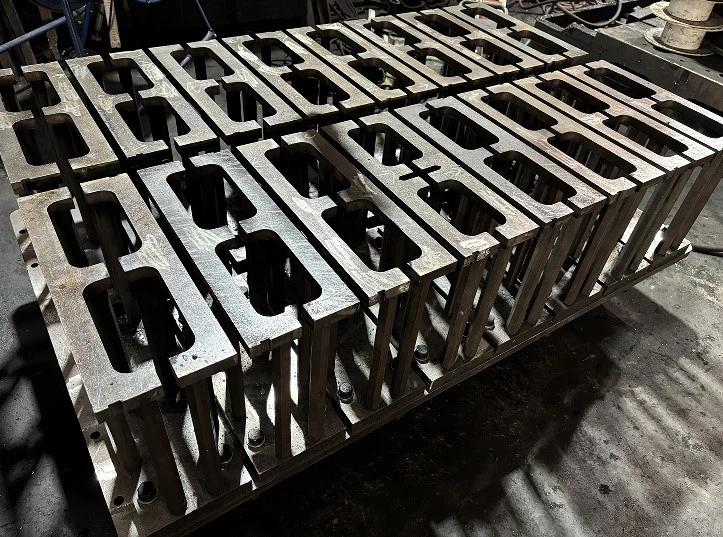
The mould directly shapes every block. Quality moulds use Cr12MoV or 9CrSi alloy tool steel with carburizing heat treatment. Surface hardness should reach HRC58-62 for wear resistance. Core hardness should stay at HRC35-40 for vibration absorption. Without proper heat treatment, moulds crack prematurely or wear unevenly. Request material certificates and hardness test reports from your supplier.

2. Cavity Dimensional Accuracy

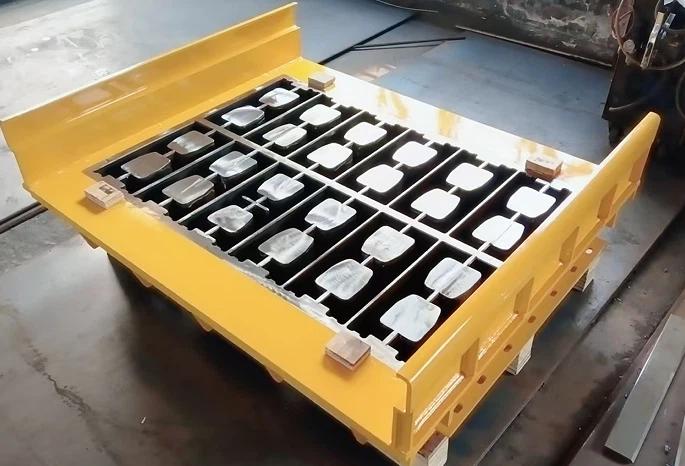
Cavity dimensions determine block size. Critical tolerances should be ±0.3mm on length, width, depth, and core pin positions. Misaligned core pins create uneven wall thickness — thin walls crack, thick walls waste concrete. Measure sample blocks regularly and compare to cavity dimensions to track wear.

Hollow Block Moulding

3. Concrete Mix Design

Use a semi-dry mix with maximum aggregate size of 10mm or less. Cement content: 10-15% of total volume. Water-to-cement ratio: 0.4-0.5 by weight. Too wet causes block slump. Too dry creates voids. Target slump range: 20-40mm. Adjust water based on aggregate moisture readings.

4. Vibration Parameters

Vibration moves concrete into all cavity areas and removes trapped air. Set frequency to 3,500-4,500 RPM for hollow blocks. Vibration time: 2-5 seconds per cycle. Insufficient vibration leaves voids and honeycombing. Excessive vibration causes aggregate segregation. Cut sample blocks to inspect internal density.

5. Compression Pressure

Compression determines block density and strength. Apply 12-18 MPa for hollow blocks. Higher pressure produces denser blocks but increases core pin wear. Uneven pressure creates blocks with different heights on the same mould plate. Measure block height immediately after ejection. Variation beyond 1mm indicates uneven pressure distribution.

6. Mould Maintenance

Worn cavity walls produce oversized blocks. Bent core pins create uneven wall thickness. Loose mounting bolts allow mould shift during vibration. Inspect cavity surfaces weekly. Check core pins for straightness daily. Tighten mounting bolts before each shift. Track block dimensions over time. Refurbish when tolerance exceeds ±0.5mm.

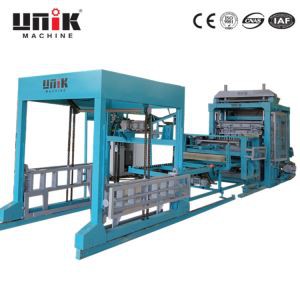
UNIK has manufactured brick machines and molds since 2008, with over 15 years of export experience to 28 countries.Hollow Block Moulding

Related News
Leave me a message
X
We use cookies to offer you a better browsing experience, analyze site traffic and personalize content. By using this site, you agree to our use of cookies. Privacy Policy
Reject Accept