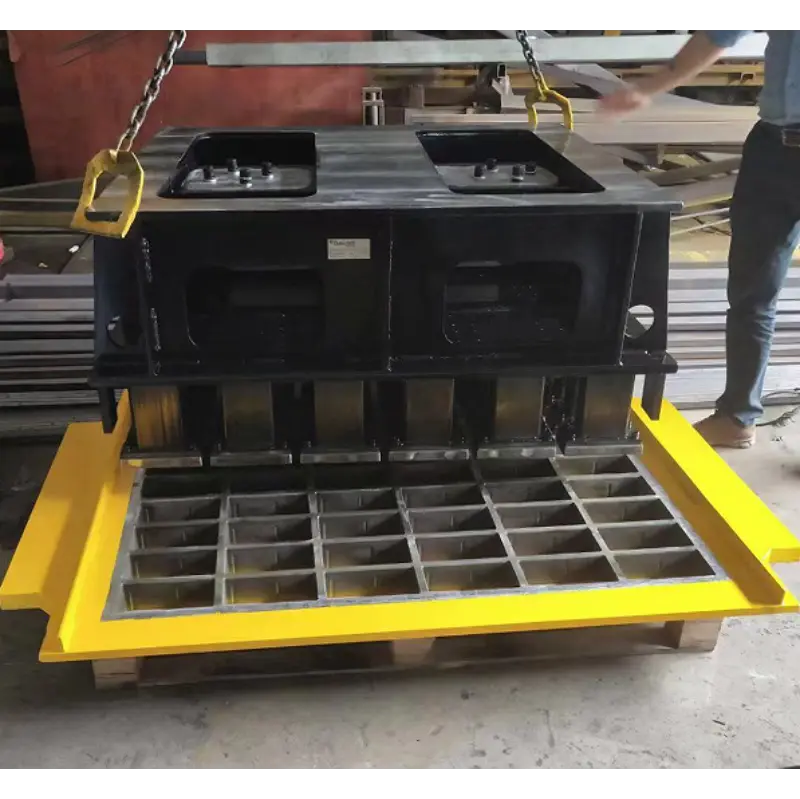
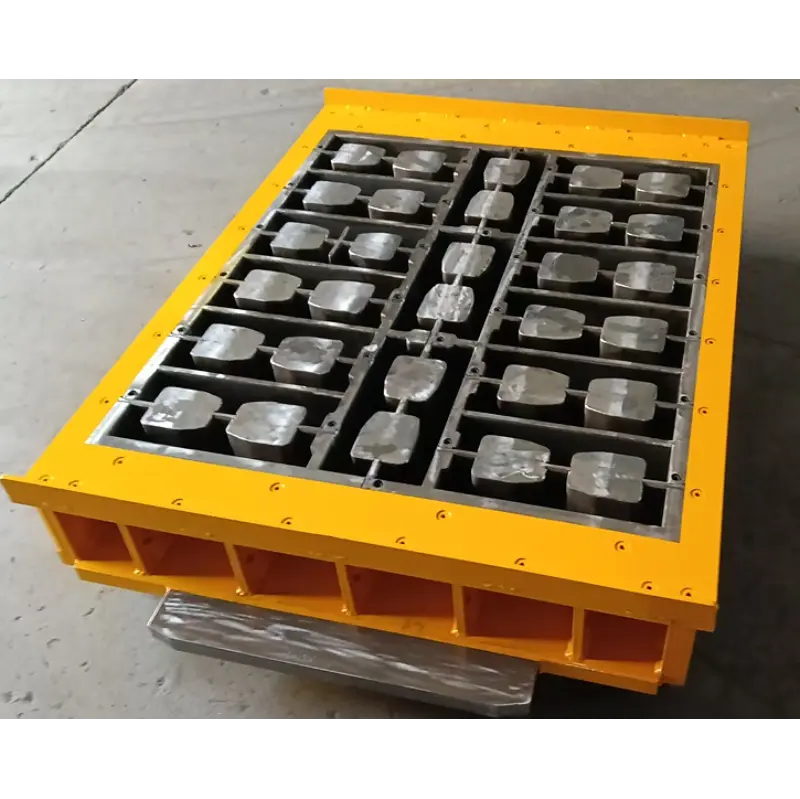
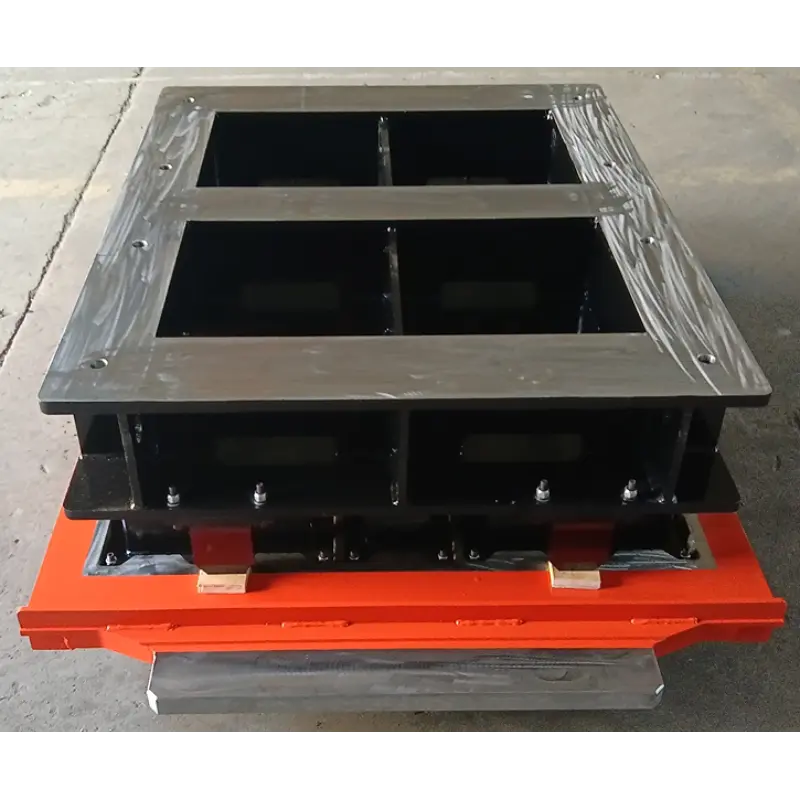
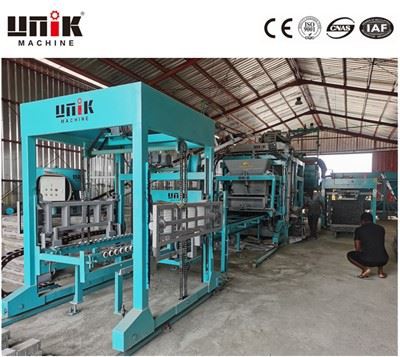
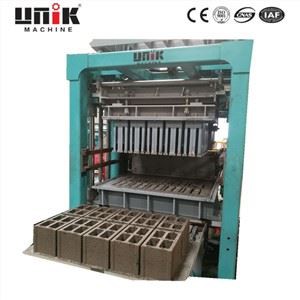
Concrete mix design is not a fixed value—it is a direct determinant of mould wear, service life, and surface finish quality. Ignoring the aggregate characteristics, water-cement ratio, and compaction methods in the mix design can lead to mould material selection falling into the pitfalls of "insufficient hardness" or "inadequate toughness," ultimately resulting in frequent mould changes or batch defects.


Below are the specific effects of three core factors in mix design on mould material selection:
The aggregates (sand, stone) in concrete are the direct "cutting tools" that cause mould wear.
High-silica/hard aggregates: If the mix design uses high-silica crushed stone or manufactured sand (with sharp edges), the mould cavity surface will endure severe abrasive wear. In this case, high-carbon alloy steel with deep carburizing and quenching is essential, ensuring surface hardness reaches HRC 58-62 to resist abrasion.
Poor aggregate gradation: When fine aggregates are excessive or gradation is poor, the internal friction of the concrete mix increases significantly, leading to surging demoulding resistance. If the mould possesses only high hardness without sufficient toughness (core hardness below HRC 35-40), it becomes highly susceptible to cracking due to stress concentration during repeated drawing cycles.
Method: The "Demoulding Concern" for Moulds
The water-cement ratio affects not only strength but also the concrete's adhesion to the mould surface.
Low water-cement ratio (dry-hard concrete): Commonly used for high-precision blocks, this mix has low moisture and high viscosity. It demands extremely high surface smoothness (Ra ≤ 1.6) and appropriate draft angles on the mould cavity. If the mould surface is rough, the dry-hard mix will adhere strongly, causing product cracking during demoulding or abnormal wear on the mould working face.
High-frequency vibration compaction: If the mix design relies on intense vibration for densification, the entire mould must withstand high-frequency impact. In such cases, material selection must avoid brittle tool steels and instead adopt chrome-molybdenum alloy steels like 42CrMo, leveraging their excellent fatigue resistance to prevent mould substrate fracture.
This is an easily overlooked invisible factor.
Alkali-aggregate reaction & corrosion: When using cements with higher alkalinity, or when admixtures contain elevated sulfide content, corrosive agents can easily develop in humid and hot curing environments. If the mould's surface wear layer contains micro-cracks, corrosion will propagate from the surface inward, accelerating substrate failure. In such cases, the mould surface requires anti-corrosion strengthening treatments or the selection of special steel grades with better corrosion resistance.
As a mould manufacturer, Fujian Unik Mould Technology Co., Ltd. has observed during its service to global clients that 80% of premature mould failures (such as abnormal wear and cracking) are not caused by steel quality issues per se, but by mismatches between mould material selection and the client's actual mix design.
Therefore, professional mould suppliers should not merely offer standardized products. During the selection phase, manufacturers should proactively obtain three critical pieces of information from clients:
Aggregate type and maximum particle size – to assess the severity of wear.
Forming pressure and vibration frequency – to determine the required steel toughness.
Expected daily output and total service life requirements – to propose, based on cost and precision needs, whether dual-hardness treatment (hard exterior with tough core) or composite coating processes should be adopted.
Conclusion: Concrete mix design represents the "demand side," while mould material selection is the "response side." Only by translating the physical and chemical stresses inherent in the mix design into specific material performance indicators (hardness gradient, bending strength, corrosion resistance) can we truly achieve long-term stability in product precision and optimize total cost. The relationship between suppliers and clients should transcend simple transactions and evolve into deep technical collaboration grounded in materials science.